#More than 18 Years of Experience

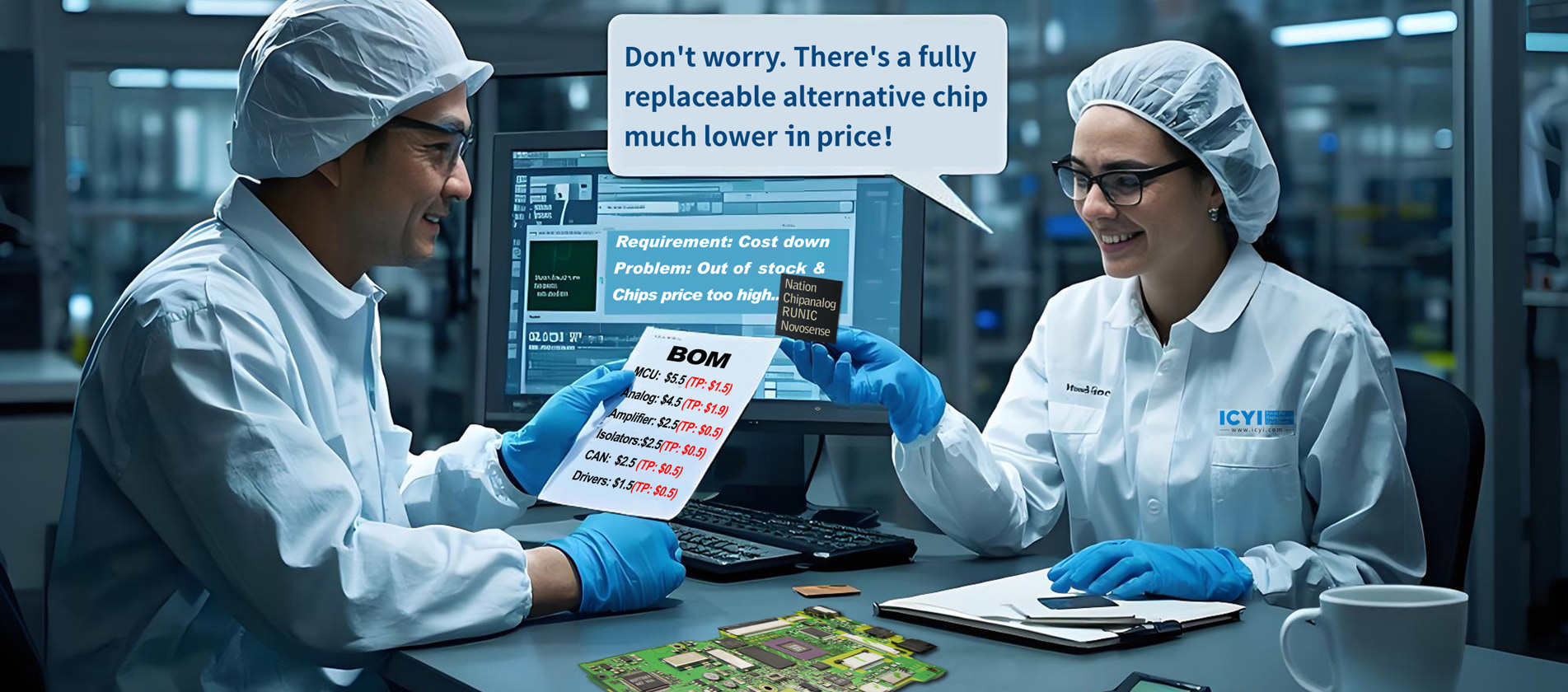
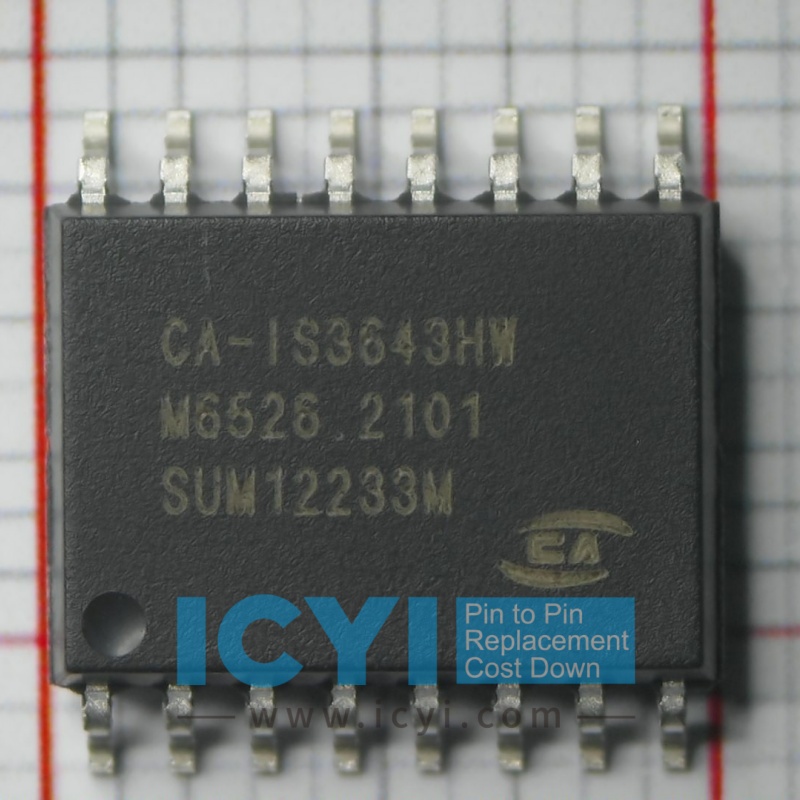
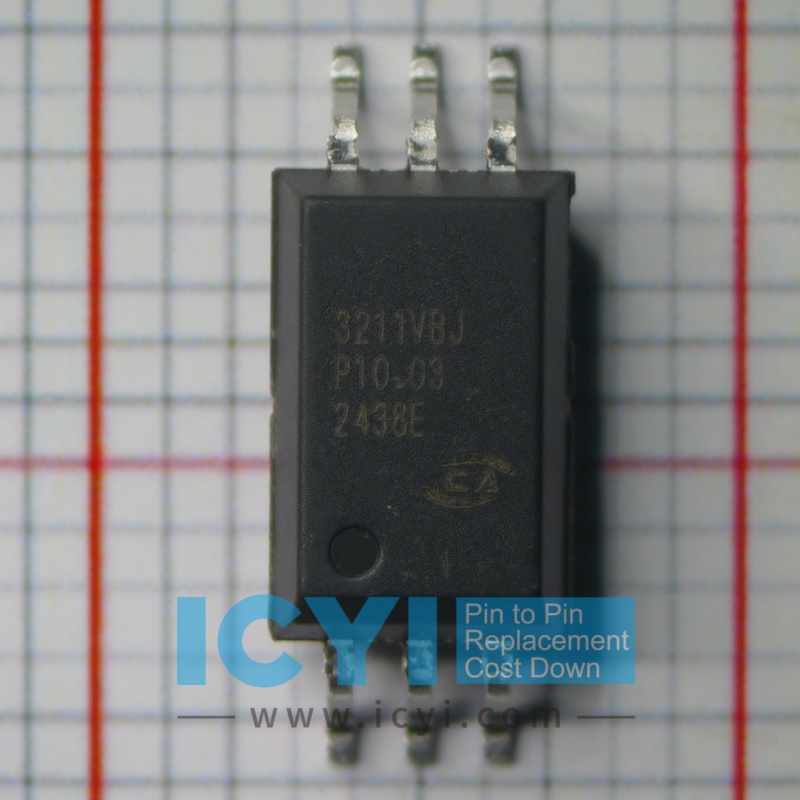
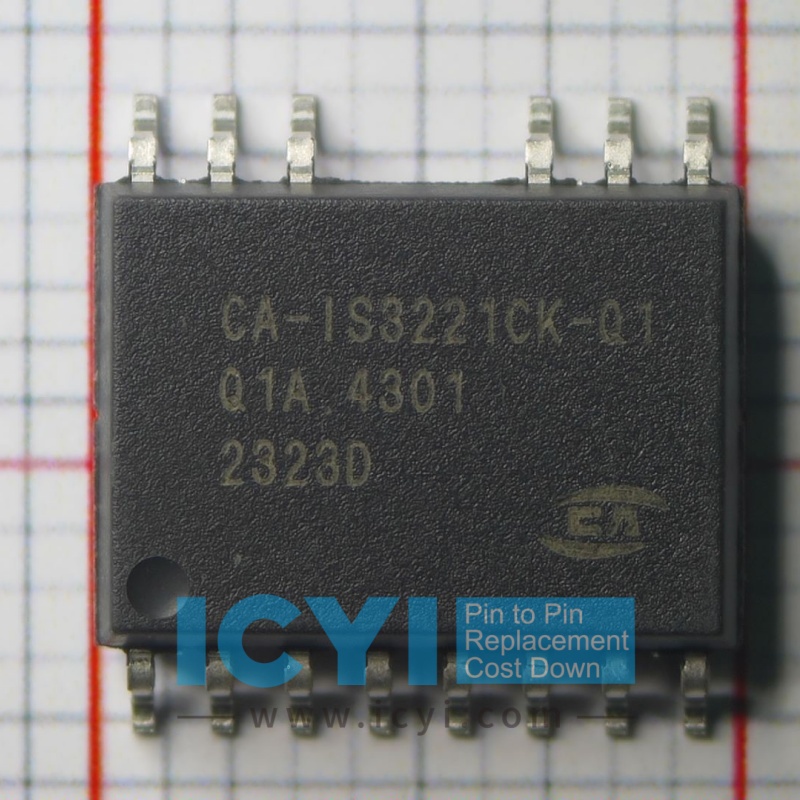
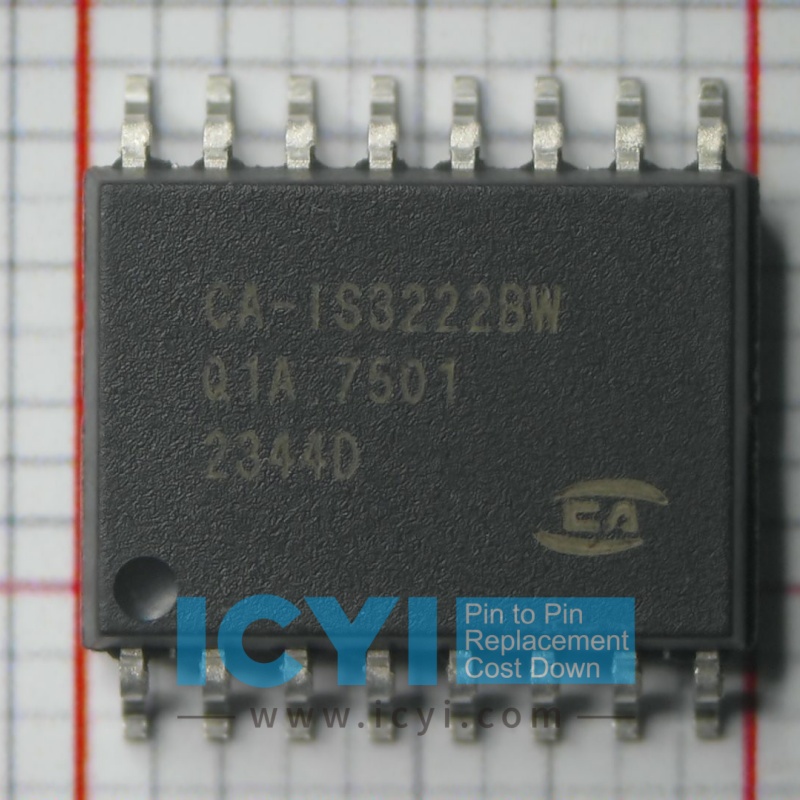
We offers high-quality alternative chips at lower prices, aimed at helping your Costdown.

 
  • Diversified product lines

  • Meet various chip requirements

  • Provide free samples

Learn More
About us
More than 18 Years of Experience

Our Advantages

Why Choose Us

Your ingenuity is what turns imagination into innovation. We give you access to the components you need to breathe life into your vision.
Learn More

Latest News

February 16, 2026
950 million US dollars! STMicroelectronics completes acquisition of NXP MEMS business
On February 10, 2026, STMicroelectronics (ST) officially announced the completion of its acquisition of NXP's MEMS sensor business. This transaction was first announced in July 2025 and has now received full approval from global regulatory agencies, marking a crucial step in ST's strategic layout in the global sensor field. It is reported that the acquisition transaction amount is as high as 950 million US dollars in cash, including 900 million US dollars in advance payment and 50 million US dollars to be paid after specific technological milestones are achieved. NXP's MEMS sensor business generated approximately $300 million in revenue in 2024, primarily focused on automotive safety products, non safety automotive applications, and industrial applications. ST acquires NXP MEMS sensor business to form technological complementarity According to the "MEMS Industry Status -2025 Edition" report released by Yole, ST ranks 6th and NXP ranks 13th among the top 30 MEMS manufacturers worldwide. NXP has long been recognized as a leading supplier of automotive MEMS inertial sensors and pressure sensors in the industry. Marco Cassis, President of STMicroelectronics' Analog Devices, Power Devices, Discrete Devices, and MEMS Sensors Division, stated that this acquisition will form a strong technological complement to the company's existing MEMS product line, particularly in the areas of automotive safety and industrial technology. By integrating the advantageous resources and customer networks of both parties, we will further consolidate our sensor market position in key application areas such as automotive, industrial, and consumer electronics. ” According to preliminary assessment, this acquisition is expected to bring approximately $45 million in revenue contribution to ST in the first quarter of 2026. And it will bring significant gross profit and operating profit growth to the company. This acquisition not only strengthens ST's position in the automotive safety field, but also consolidates its comprehensive advantages in the MEMS sensor field of the automotive and industrial end markets. As a global vertically integrated semiconductor manufacturer (IDM), ST has 48000 creators and innovators of semiconductor technology, with expertise in semiconductor supply chains and advanced manufacturing equipment. The company collaborates with over 200000 customers and thousands of partners to develop products and solutions. Its technology makes people's travel smarter, power and energy management more efficient, and cloud connected autonomous devices more widely used. ST 2025 Q4 has resumed year-on-year growth momentum In terms of financial performance, ST announced its fourth quarter and full year financial results for the fiscal year 2025 on January 29, 2026. According to the company's official financial report and Reuters, ST achieved a net revenue of $11.8 billion for the full year of 2025, a decrease of 11.1% from 2024 due to the weak automotive sector and slowing industrial market demand. The annual gross profit margin was 33.9%, with an operating profit of $175 million (including $376 million in impairment, restructuring expenses, and other related business exit costs). According to non GAAP accounting standards, the annual operating profit margin was 4.7%, net profit was $486 million, and diluted earnings per share were $0.53. It is worth noting that despite facing challenges throughout the year, ST achieved a net revenue of $3.33 billion in the fourth quarter of 2025, a year-on-year increase of 0.2%, successfully restoring its year-on-year growth momentum. The gross profit margin for the fourth quarter reached 35.2%, with a non GAAP operating profit margin of 8.0%. The company maintained a stable cash flow performance throughout the year, achieving a free cash flow of $265 million, which was the result of investing $1.79 billion in net capital expenditures. As of the end of 2025, the company's net financial position is $2.79 billion, total liquidity is $4.92 billion, and it has received investment grade credit ratings of BBB+(negative outlook) from Standard&Poor's and Baa1 (stable outlook) from Moody's. Jean Marc Chery, President and CEO of STMicroelectronics, stated, "2025 has been a challenging year, but we have resumed year-on-year growth in the fourth quarter. Our strategic focus remains on accelerating innovation, executing a company wide manufacturing restructuring and global cost structure optimization plan, and strengthening the generation of free cash flow." Looking ahead to the first quarter of 2026, the company expects a midpoint net revenue of $3.04 billion and a gross profit margin of approximately 33.7%. Summary: Industry analysts point out that the acquisition of NXP MEMS business will help ST further expand its sensor product line in high growth areas, especially in key markets such as automotive safety and industrial automation. With the continuous development of global electric vehicles and intelligent driving technology, the demand for MEMS sensors is expected to maintain strong growth, which will provide strong support for ST's medium - and long-term development.
read more
  • February 07, 2026
    Infineon announces: Price increase!
    On February 5th, Infineon issued a price increase notice to its customers, stating that demand for its power switches and integrated circuit products has surged, leading to shortages, driven by the deployment of AI data centers. Due to the need for significant additional investment in wafer fabs for capacity expansion, coupled with the continued rise in raw material and infrastructure costs, the company will adjust the prices of some products starting April 1, 2026. Infineon pointed out that in the past, the company has always responded to increased input costs through internal efficiency improvements, but it has now reached a stage where it can no longer fully absorb these costs. Therefore, it must share this cost increase with its valuable customers and partners. Infineon stated that for power switches and IC products affected by the earlier investment and increased manufacturing costs, the company has taken all feasible measures to keep the price adjustment to a minimum. The new prices will take effect on April 1, 2026, and all new orders placed on or after that date, as well as existing orders shipped on or after that date, will be subject to the adjusted prices. In its price increase letter, Infineon stated that to meet the continuously rising market demand, it needs to make substantial additional investments to increase wafer fab capacity. According to the company's investment plan, capital expenditure for fiscal year 2026 will be increased to €2.7 billion to expand data center chip production capacity. The company expects its AI business revenue to reach €1.5 billion this fiscal year and €2.5 billion in the next fiscal year. Infineon CEO Jochen Hanebeck stated, "Amid relatively sluggish markets elsewhere, strong demand for artificial intelligence has provided a significant boost to Infineon. Currently, power solutions for AI data centers remain our focus; in the coming years, the expansion of grid infrastructure will also be a new key area. To better serve our customers, we are adjusting manufacturing capacity to meet the continued growth in demand in this area and investing in related fields in advance. A large portion of this will be used to accelerate the mass production process of our new Smart Power Fab in Dresden. This Fab will officially open this summer, perfectly aligned with market developments." Infineon's revenue last quarter was €3.66 billion, slightly higher than analysts' forecast of €3.62 billion. Its segment profit margin (Infineon's preferred metric for measuring operating profitability) also exceeded expectations, reaching 17.9% in the first fiscal quarter ending in December.
  • February 04, 2026
    STMicroelectronics: Chip sales are improving, with revenue projected at $11.8 billion in 2025!
    STMicroelectronics announced its financial results for the fourth quarter and full year 2025. Net revenue for the fourth quarter of 2025 was $3.33 billion, a 0.2% increase year-over-year; gross margin was 35.2%; and operating profit was $125 million. By segment, the Analog, Power & Discrete, MEMS & Sensors (APMS) products segment generated $1.861 billion in revenue, a 4.6% decrease year-over-year; while the MCU, Analog-Digital Integrated Circuits & Radio Frequency (MDRF) products segment generated $1.464 billion in revenue, a 7.0% increase year-over-year. STMicroelectronics' sales growth was driven by customers seeking chips for personal electronics, communication equipment, computer peripherals, and industrial machinery. However, it's worth noting that semiconductor demand in the automotive industry is still struggling to recover. CEO Jean-Marc Chery stated that demand in the automotive industry remains below expectations. For the full year 2025, STMicroelectronics' revenue was $11.8 billion, an 11.1% decrease; gross margin was 33.9%; operating profit was $175 million; and net profit was $166 million. The company expects net revenue of $3.04 billion for the first quarter of 2026, a decrease of 8.7% sequentially, plus or minus 350 basis points; gross margin is expected to be 33.7%, plus or minus 200 basis points. Revenue for the next quarter is expected to be approximately $3.04 billion, higher than $2.52 billion in the same period last year. The strong performance outlook from Texas Instruments, another analog chip giant, echoes the better-than-expected outlook from STMicroelectronics, indicating that the analog chip market appears to be recovering. Texas Instruments expects revenue of $4.32 billion to $4.68 billion for the first quarter of 2026, with the midpoint of the forecast slightly higher than the market expectation of $4.42 billion; earnings per share are expected to be $1.22 to $1.48, with the midpoint of the forecast better than the market expectation of $1.26. Analog chip prices have also entered a period of intensive price increases. At the end of last year, Texas Instruments and Analog Devices (ADI) mainly announced price increases. After January, domestic companies such as Ingenic Semiconductor, Microchip Technology, and Bi-Micro Technology successively issued price increase notices. The overall consensus on price increases has been basically established, and it is expected that a recovery cycle with both volume and price increases will be entered in the later period.

Frequently Asked Questions

Question: How do you ensure the quality of the domestic chips you distribute?

Answer: We work with chip manufacturers that have strict quality control systems in place. All chips undergo multiple rounds of testing at the manufacturing stage, including electrical performance testing, reliability testing, and environmental testing. Before delivery, we also conduct sampling inspections to ensure that the products meet our quality standards. Additionally, we offer a quality guarantee period during which we will handle any quality-related issues promptly.

Question: What does the warranty policy for your domestic chips cover?

Answer: Our domestic chips come with a standard warranty period. During this time, if the chip fails due to manufacturing defects, we will provide free repair or replacement services. The warranty does not cover damages caused by improper use, unauthorized modifications, or external factors such as electrical surges or physical damage. To initiate a warranty claim, please contact our customer service team and provide detailed information about the problem and the chip's serial number.

Question: What kind of technical support can I get from you after purchasing your chips?

Answer: Our technical support team consists of experienced engineers who are proficient in chip technology. We offer pre-sales technical consultation to help you select the most suitable chips for your applications. After-sales, we provide assistance in chip integration, debugging, and performance optimization. You can reach out to our technical support hotline or email for any technical issues, and we will respond promptly.

Question: How can I be sure that your domestic chips are compatible with the existing systems and components in my project?
Answer: Our domestic chips are designed with broad compatibility in mind. Before you make a purchase, our technical team can offer in-depth consultations. We will analyze your specific system requirements, including interface types, power consumption, and operating frequencies, and then recommend the most suitable chips. Additionally, we have a library of technical documentation and case studies that showcase successful integrations with a wide range of systems and components, which can help you assess compatibility.
Question: How can I ensure a stable supply of your domestic chips, especially during peak demand periods?

Answer: We maintain close partnerships with multiple domestic chip manufacturers. Through long-term cooperation agreements and inventory management strategies, we strive to meet the demand of our customers. We also closely monitor market trends and adjust our procurement plans in advance to ensure a stable supply. In case of unexpected situations, we will promptly communicate with you and provide alternative solutions.

Latest know-How Articles

Blog From 'available' to 'trusted', GigaDevie GSL6188 fingerprint sensor certified by Microsoft ESS
On December 24th, GigaDevie's GSL6188 MoC (Match on Chip) PC fingerprint recognition sensor has successfully passed the Windows Hello Enhanced Sign in Security authentication. This marks that GigaDevie's software and hardware design and system integration capabilities in the field of high security biometric chips have reached international mainstream standards, providing authoritative endorsement for the product to enter the global market. Windows Hello Enhanced Login Security Certification is a hardware security standard established by Microsoft to enhance the overall login security of Windows devices. It requires hardware such as sensors to have high security features and be able to locally isolate and protect biometric data, providing users with a seamless and high-intensity authentication experience. The GigaDevie GSL6188 fingerprint sensor adopts a highly integrated Match on Chip (MoC) architecture, which achieves excellent performance with FRR less than 1.5% and FAR less than 0.002% through dynamic noise reduction algorithm and multi-scale feature fusion algorithm, surpassing the standard requirements of Microsoft Windows Hello for fingerprint recognition. This product has a highly integrated security architecture, built-in independent microcontroller and secure storage, achieving hardware isolation of fingerprint matching and templates, simplifying peripheral design. In terms of security, GSL6188 pre burns certificates during production and supports TPM 2.0 key management and VBS virtualization for isolated operation, ensuring that the fingerprint authentication process runs in a trusted execution environment. In addition, the product also has strong anti-counterfeiting capabilities. With the help of self-developed deep learning algorithms, it can significantly enhance the defense against 2.5D and 3D forged fingerprints. GigaDevie Vice President and General Manager of Sensor Business Unit, Zhi Jun, stated, "The GSL6188 has passed the Windows Hello Enhanced Login Security Certification, which is an important achievement of GigaDevie's long-term technological investment in high-performance and high security biometric sensing. This demonstrates that our product can meet the stringent security requirements of international advanced PC manufacturers. In the future, we will continue to strive to provide more fingerprint biometric solutions, offering high-quality choices that combine security and convenient user experience to the global market.
Blog Striving to be the "game-changer" in China's analog chip industry, Novosense is heading towards the global market
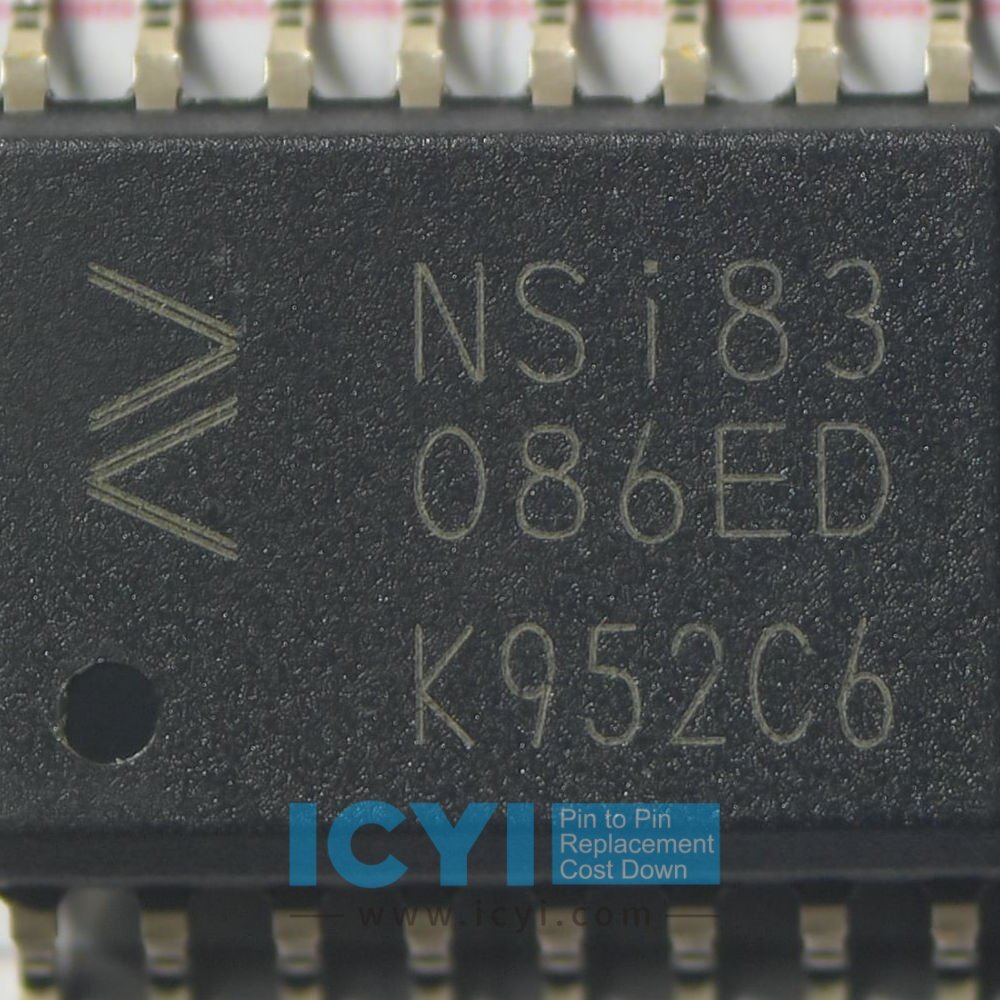
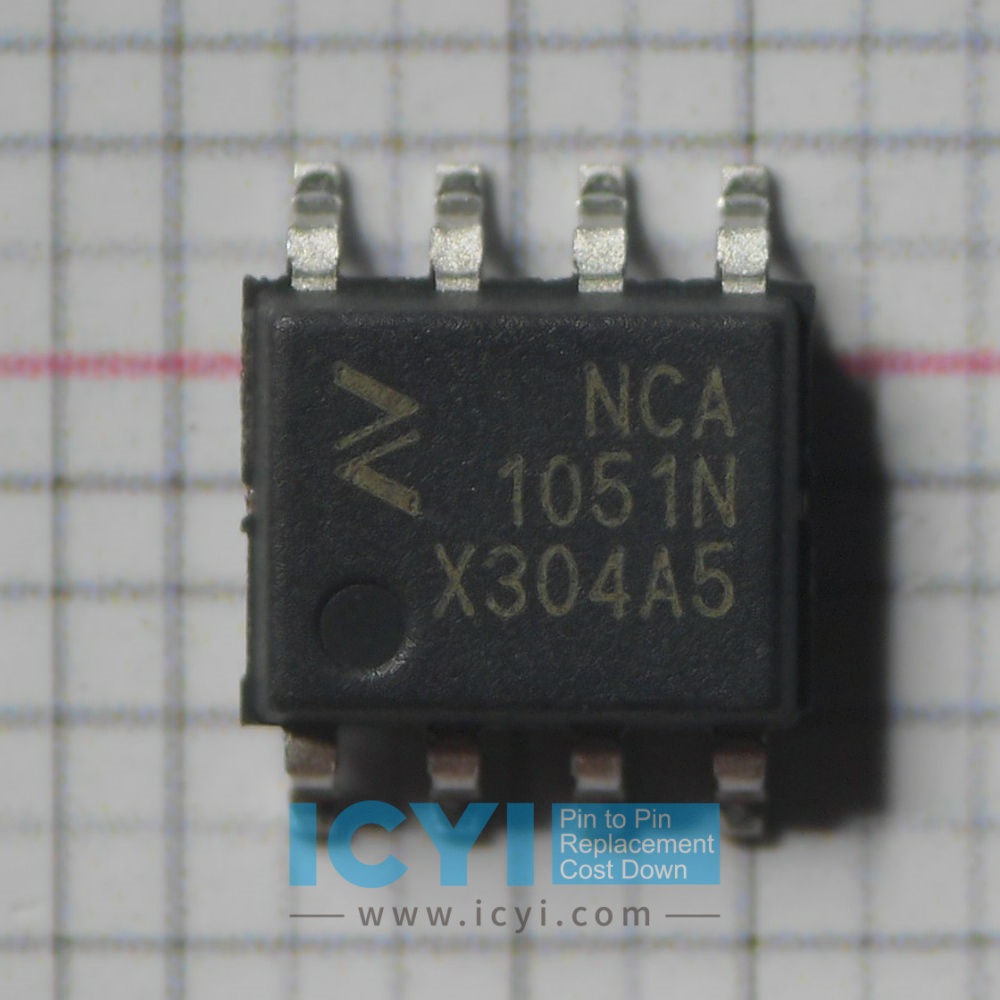
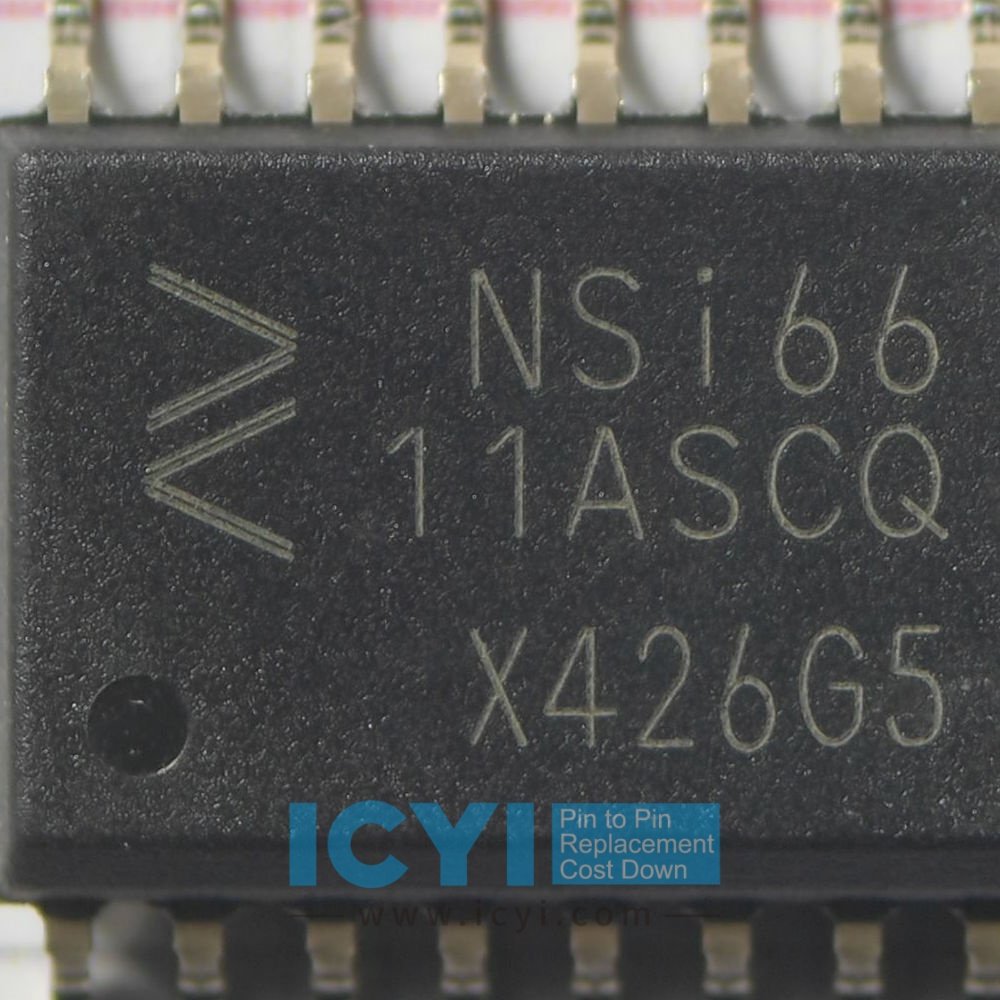
The chip industry continues to develop, and China's path of independent research and development is thriving. Novosense, as a core enterprise in domestic analog chips, is leading the way. Not only has it continuously increased its market share in China, but it has also become a key player in the global supply chain, and together with a group of outstanding Chinese chip companies, it is changing the industry landscape. How can Chinese chip companies grow from scratch to 1, and then from 1 to 10,000? Recently, Yao Di, Vice President of Novosense, stated in a recent external exchange that Novosense's "Rooted in China, Expanding to the World" relies on systematic capabilities. Currently, the company has already deployed some overseas production capacity, providing leading products to the market based on reliability and efficiency.     Accuracy, reliability, and response efficiency constitute the "moat" of Novosense The competition in the global analog chip market is essentially a dual contest of "performance + trust". Yao Di believes that Novosense has been able to break through from hundreds of domestic enterprises and become a partner of leading enterprises in the global automotive, industrial, and other fields, primarily because it has built a solid "moat" in three dimensions: precision, reliability, and response efficiency. Accuracy is the "core soul" of analog chips, directly determining the "sensory ability" of electronic systems. Yao Di cited the "gain with speed" function of cars as an example. The analog chip needs to first sense physical signals such as vehicle speed and external noise, transmit them to the central control system, and then send instructions to "increase/decrease volume" to the speaker. In this process, the accuracy and sensitivity of signal conversion directly affect the functional experience. "Just like a hand touching a lit candle will immediately withdraw, if the reaction is 1 second slow, the skin tissue may be burned," the analog chip has extremely high requirements for signal response speed and sensitivity. Novosense has deeply invested in high-precision technology, developing chips capable of accurately converting physical signals into electrical signals. Whether it's voltage acquisition for automotive battery management systems or temperature detection for industrial equipment, these chips can meet customers' stringent accuracy requirements. This is one of the key reasons why many customers choose Novosense for their smart driving system collaborations. Reliability is the "bottom line" for analog chips, especially in long-life scenarios such as automotive and industrial applications, where no compromise is acceptable. Yao Di emphasized that while an automobile may only have 1-2 "brains" (main chips), the number of analog chips can range from hundreds to thousands. "If even one of these analog chips malfunctions, the entire system could potentially break down." Moreover, considering that automobiles typically have a lifespan of 10-20 years, these analog chips must also withstand harsh environments such as high temperatures and high-frequency vibrations in the engine compartment. To this end, Novosense has invested significantly more resources than the industry average to establish a reliability control system: the proportion of quality team members has been maintained at 8%-10% for a long time; in the production process, strategic cooperation has been established with leading global wafer fabs and packaging and testing factories to ensure quality from the source; at the same time, a large number of quality resident teams and engineering resident teams have been stationed in foundries for long-term monitoring of the quality of every production process, including encapsulation and pin extraction. Its automotive-grade chips have passed rigorous testing and demonstrated excellent long-term stability, which is why top-tier wafer fabs choose to deeply collaborate with Novosense. Only a reliable design solution can fully leverage the value of advanced manufacturing processes. 03 Response efficiency is a "differentiating advantage" for Novosense and even Chinese chip companies in global competition. Chinese companies possess a "speed" that overseas giants lack. Yao Di mentioned that Novosense can quickly customize and develop products according to customers' personalized needs. This agility is particularly important in the rapid iteration of the automotive industry. Faced with urgent supply demands, Novosense can efficiently leverage supply chain resources such as wafer fabs and packaging factories, and achieve rapid response through a mature collaborative mechanism. This demonstrates the flexibility of delivery in automotive chip applications and lays the foundation for further deepening cooperation.   The analog chip is currently undergoing reliability testing   Novosense hot sale part numbers in the global market:   NSI8210N0-DSPR NSI8210N1-Q1SPR NSi8120N0/NSI8220N0-DSPR NSi8120N1 NSI8220N1-DSPR NSi8141W1 NSI8241W1-DSWR NSi8141S0 NSi8141S1 NSI8260W0-DSWR NSi8261S1-DSSR NSi8262W0-DSWR NSi8262W1-DSWR NSi8100W NSI1050-DDBR (DUB8) NSI1050-DSWR (SOW16) NCA1042-DSPR NCA1051N-DSPR NSD1025-DSPR NSD1624-DSPR NSi6801TC-DDBR (DUB8) NSI6611ASC-Q1SWR NSI1311-DSWVR NSI1300D05-DSWVR NSi1200-DSWVR NSI1306M25-DSWR    
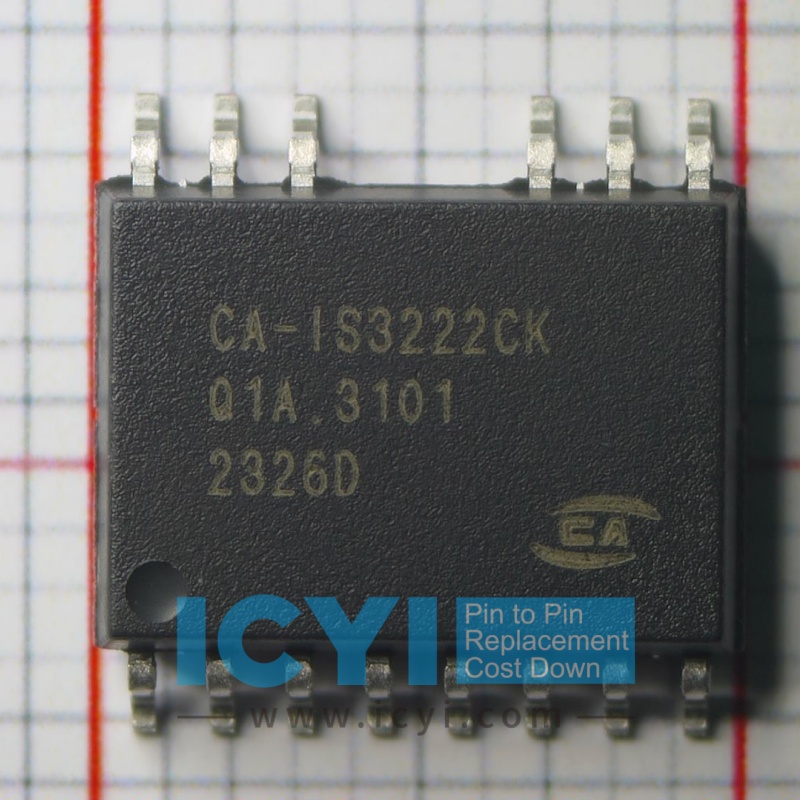
Blog New Product Launch | Chipanalog Microelectronics CA-DV8008 I²C Controlled 8-Channel Low-Side Driver
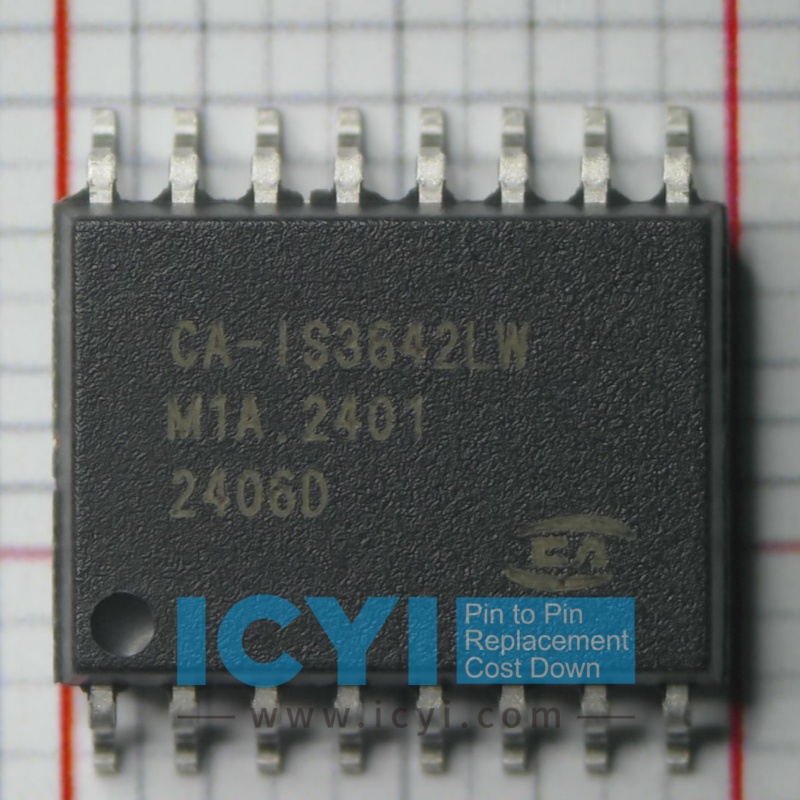
In the fields of home appliances and industrial control, multi-load drives often face the challenges of limited controller GPIO resources and high system costs. To address this challenge, Chipanalog has officially launched the CA-DV8008—an eight-channel low-side driver controlled by I²C. This device significantly optimizes system resource usage and reduces overall solution costs through an efficient serial-to-parallel control architecture, providing a highly integrated and reliable domestic chip solution for multi-load drive applications.   01 Product Overview   The CA-DV8008 is an eight-channel low-side driver controlled by I²C. This device uses a serial interface to parallel output control method, which can significantly save GPIO resources of the main controller, simplify system design, and effectively reduce hardware costs.   Each channel supports a sinking current capability of 500mA, the output port withstand voltage is up to 50V, and the built-in clamping diode provides a demagnetizing circuit when inductive loads are turned off. It is suitable for driving various loads such as stepper motors, DC motors, relays, and solenoids.   The CA-DV8008 supports a high-speed I²C bus up to 400kHz and has three hardware address configuration pins. It supports up to eight CA-DV8008s connected to the same I²C bus, enabling centralized control of 64 outputs. The SCL and SDA pins use CMOS logic levels, and the logic supply voltage VCC supports a wide input range of 3V to 5.5V, allowing direct connection to 3.3V or 5V microcontrollers and sharing a power supply.   The CA-DV8008 is available in SOIC16-NB and TSSOP16 packages, with an ambient operating temperature (TA) range of -40°C to +125°C, meeting the requirements of household appliances and industrial applications. Simplified Circuit Block Diagram 02 Features   Eight-channel low-side output, single-channel 500mA sink current capability (25°C, single-channel enable), single-channel 250mA sink current capability (25°C, eight-channel enable, SOIC16-NB package), output port voltage up to 50V, built-in clamping diode for inductive loads, input I²C control, supports clock rates up to 400kHz, SCL/SDA pins CMOS logic level, 3 addressable pins, up to 8 CA-DV800 chips can be connected on the same bus, 8VCC power supply voltage range: 3V~5.5V, ambient operating temperature range: –40°C ~ 125°C, available in SOIC16-NB and TSSOP16 package options.   03 Typical Application Scenarios   Motion Control: Stepper motor drive, DC brushed motor drive Power Switches: Relay drive, contactor control, solenoid drive Lighting Systems: Multi-channel LED drive and dimming control Signal Distribution: Line driver, logic buffer and level shifter Home Appliances and Industrial Automation: Multi-channel actuator control, valve drive, electromagnet control   The CA-DV8008 can drive two four-phase five-wire stepper motors. The logic-side power supply VCC can share the same power supply as the microcontroller, supporting a supply voltage range of 3V to 5.5V. During use, SCL and SDA need to be pulled up to VCC through resistors. The device address is set by shorting the A2~A0 pins to VCC or GND. The CA-DV8008 integrates a clamping diode, which is connected to the system's high-voltage power supply during application to provide a freewheeling path when the inductive load is turned off. Typical Application Circuit—Driving Stepper Motors The CA-DV8008 can also be used to drive seven-segment or eight-segment common-anode LED digital tubes. Typical Application Circuit—Driving LED Digital Tubes

Need Help? Chat with us

leave a message
For any request of parts price or technical support and Free Samples, please fill in the form, Thank you!
Submit

Home

Products

whatsApp

contact